Following the fall of former Prime Minister Sheikh Hasina on 4th August 2024 after 15 years of iron rule, an Interim Government headed by Nobel Laureate Dr Muhammad Yunus took over. The Office of the High Commissioner for Human Rights (OHCHR) was invited to investigate the violations committed during July-August 2024 mass protests that led to Hasina’s fall. The OHCHR has since opened its country office in Dhaka in July 2025 following the signing of a technical cooperation agreement.
Unprecedented crackdown on the media by the Interim Government:
However, unprecedented human rights violations had taken place in the last 15 months under the Interim Government of Bangladesh. One particular area of concern has been unprecedented crackdown on the press freedom. On 9 December 2025, the Transparency International Bangladesh reported that at least 1,073 journalists and media workers were subjected to attacks, lawsuits, killings, threats, harassment, detention, and job loss in 476 separate incidents between 5 August 2024 and 1 November 2025. The Annual Human Rights Monitoring Report 2024 and monthly “Human Rights Monitoring Report” from January to November 2025 of the Manabadhikar Shongskriti Foundation based in Dhaka show that about 1,126 journalists were targeted through arrests, intimidation, or legal harassment.
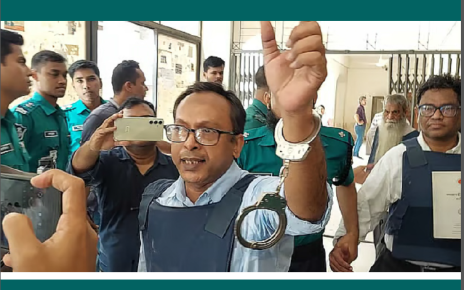
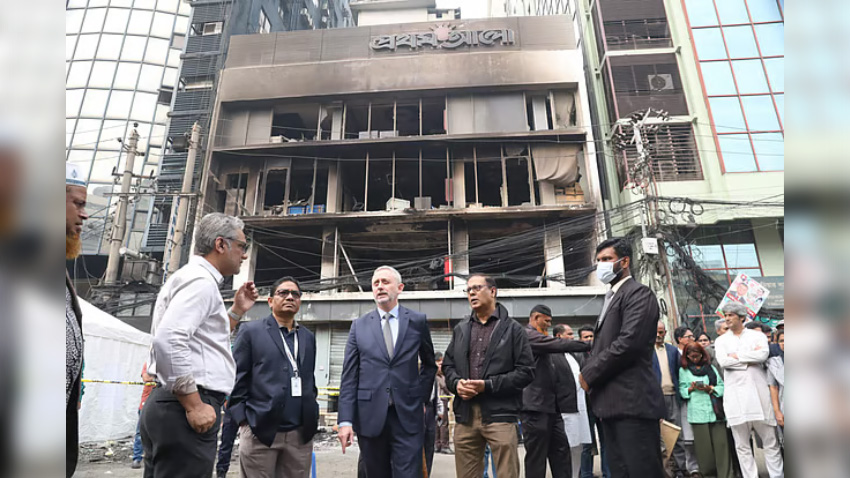
Key recent incidents of crackdown on the media illustrate the situation. On 28 August 2025, journalist Monjurul Alam Panna was arrested under the Anti-Terrorism Act for attending an event in Dhaka while police took no action against those who disrupted their programme. It was followed by the arrest of veteran journalist Anis Alamgir under the Anti-Terrorism Act on 15 December 2025 for participating in TV debates. Finally, on 18 December 2025, the offices of the two largest newspapers in Bangladesh, The Daily Star and The Prothom Alo were burnt down without provocation after the news of the death of Inquilab Mancha spokesperson Sharif Osman Hadi spread. The Interim Government did not provide any security to these news papers. Hadi, a prominent leader of last year’s protests in Bangladesh was shot at by unknown assailants on 12 December 2025 and died on 18 December 2025.
Silence of the OHCHR despite field office in Dhaka:
The response of the OHCHR to this unprecedented crackdown on media freedom in Bangladesh has increasingly become a cause of alarm.
Since the Interim Government took over on 5th August 2024, the OHCHR issued 10 statements on Bangladesh i.e. Bangladesh: Türk urges calm after killing of 2024 protest leader, 19 December 2025; Bangladesh: Forensic identification of victims of July 2024 protests a fundamental step towards accountability says UN expert, 12 December 2025; Bangladesh: Hasina verdict is important moment for victims, 17 November 2025; Bangladesh: Türk sees important steps towards accountability for disappearances, calls for fair trials and due process, 15 October 2025; UN Human Rights Office to open mission in Bangladesh, 18 July 2025; Bangladesh: UN report finds brutal, systematic repression of protests, calls for justice for serious rights violations, 12 February 2025; UN Human Rights Chief Volker Türk to visit Bangladesh, 28 October 2024; Update on UN Human Rights Office work in Bangladesh, 30 August 2024; Bangladesh transition an “historic opportunity” for inclusive governance anchored in human rights and rule of law – Türk, 16 August 2024 Bangladesh; and Bangladesh: Türk calls for peaceful transition and accountability after deadly protests, 05 August 2024.
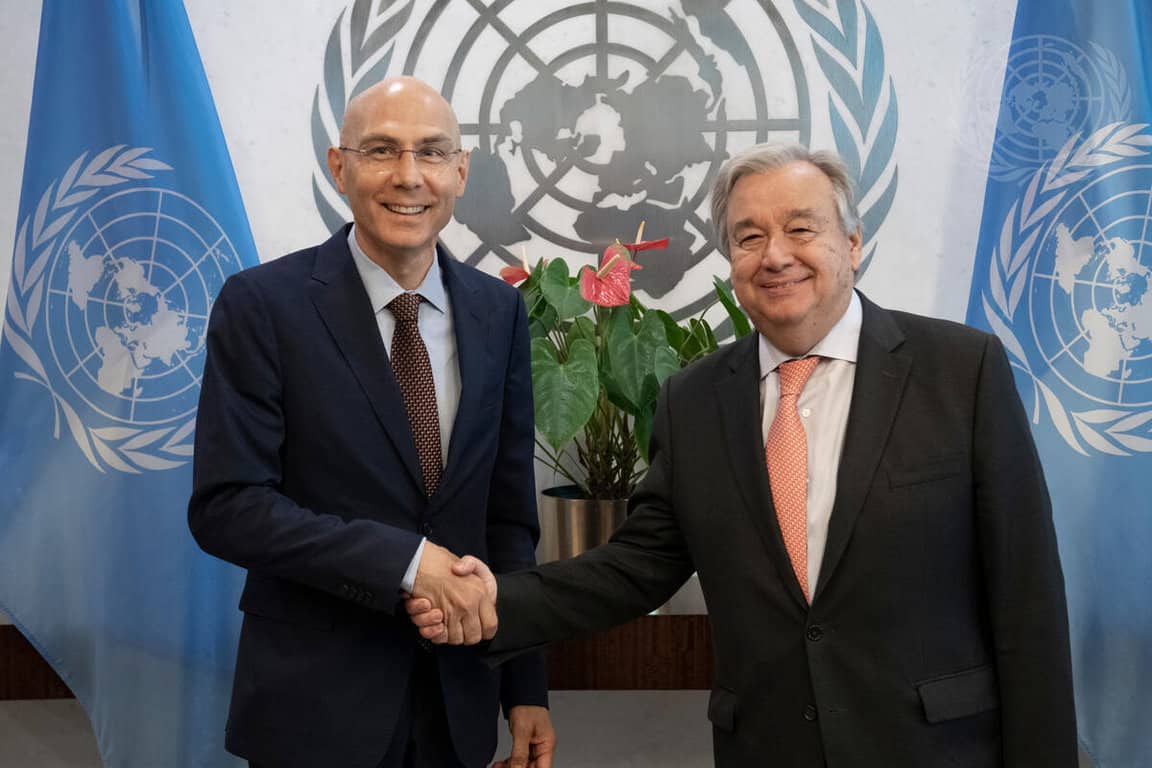
In none of these 10 statements, the UN High Commissioner for Human Rights or the OHCHR addressed any human rights violations by the current Interim Government except High Commissioner Volker Turk issuing a generic statement on 19 December 2025 after the burning down of the offices of the Prothom Alo and The Daily Star, “I urge the authorities to uphold the rights to freedom of expression, peaceful assembly, and security of journalists at this critical time, and prevent further escalation of unrest”. The High Commissioner regrettably made no reference to the burning down of Prothom Alo and The Daily Star. All other statements of the OHCHR focused only on the past violations.
This selective approach of the OHCHR is problematic as the High Commissioner is expected to be the ‘conscience keeper’ on rights while diplomats are usually reticent given bilateral and multilateral interests including business interests.
Response of the Media Freedom of Coalition of the States:
On 19 December 2025, the Media Freedom Coalition in Dhaka, consisting of the 51 Member States of the United Nations, condemned the attacks on journalists and burning down of the Prothom Alo and The Daily Star as ‘a grave threat to press freedom and the public’s right to be informed‘. Key national, regional and international human rights organisations or media freedom organisations too condemned the unprecedented crackdown on the media freedom and in particular, burning down of the Prothom Alo and The Daily Star.
Ambassador of European Union to Bangladesh H.E. Michael Miller after a visit to the burnt offices of the Prothom Alo and The Daily Star on 21 December 2025 termed the burning down of the two news paper offices as “a direct assault on press freedom and freedom of expression, calling the incidents a “grave moment” for Bangladesh’s democracy”.
The OHCHR field office in Bangladesh was not seen anywhere, whether in cyber space or on the ground, despite being given the mandate to provide “independent assessments of the human rights”.
The current approach of not addressing current violations of human rights by the OHCHR does not help the cause of human rights or rule of law in Bangladesh. It calls for an internal evaluation and course correction by the OHCHR.