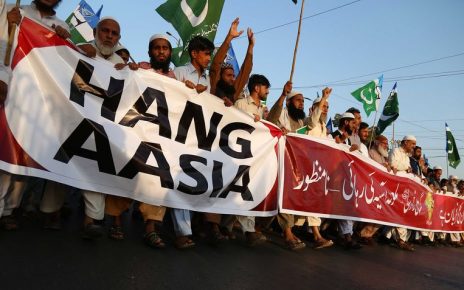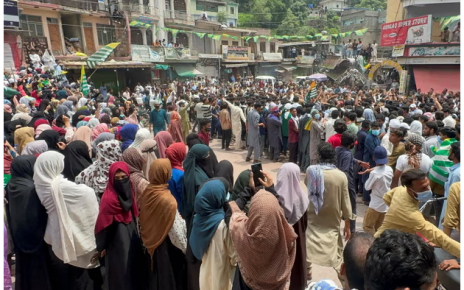
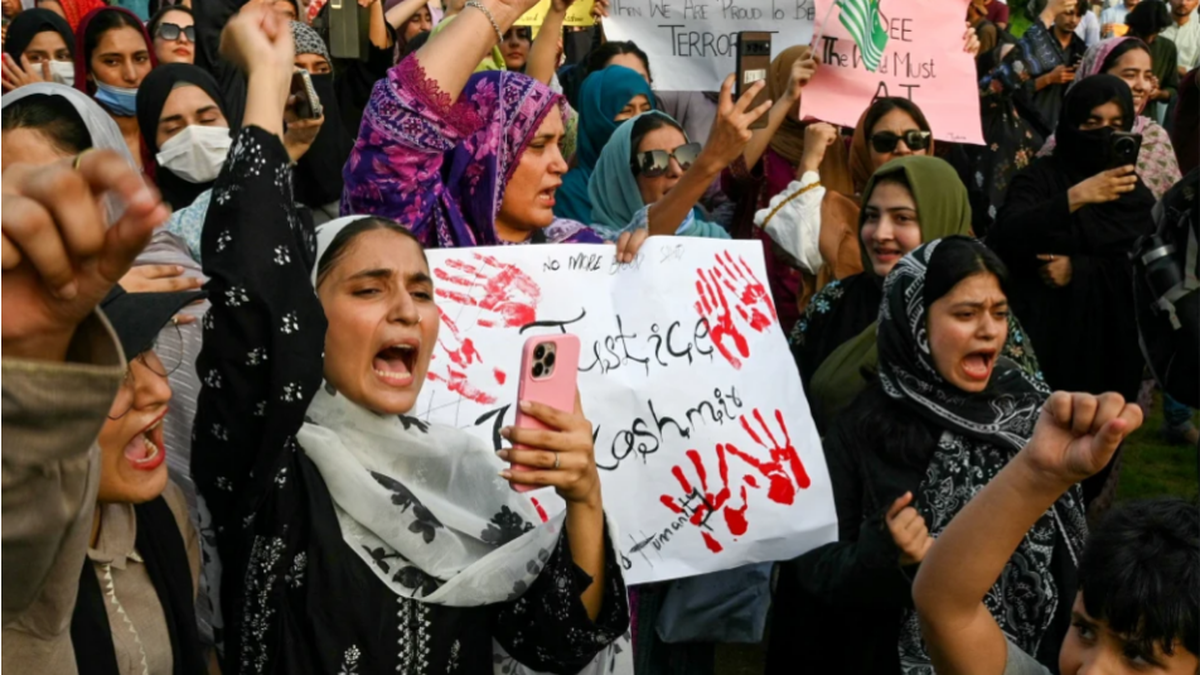
Asian Centre for Human Rights (ACHR), a NGO having Special Consultative Status with the UN Economic and Social Council, in a press release today stated that in the run up to the elections in Pakistan Administered Kashmir from 5 June to 10 August 2026, at least 51 persons including 45 civilians and six security personnel were killed and at least 133 others were grievously injured. These included death of 11 persons on 7 June in Rawalakot; death of at least nine persons in Tararkhal and Rawalakot on 14 July; death of about 30 persons around Rawalakot and Mirpur on 27 and 28 July 2026 and the death of Raja Ehsan, a protestor in Athmuqam Tehsil on 2 August 2026. Hundreds of people have been arrested after the ban of the Joint Awami Action Committee (JAAC) as a terrorist organization on 5 June 2006.
On 17 July 2026, the UN High Commissioner for Human Rights Volker Turk in a press statement “called for prompt, thorough and impartial investigations into all deaths that have occurred due to the unrest, both amongst protesters and members of security forces” in Pakistan Administered Kashmir and expressed concerns over criminalization of a civil society organization and imposition of strict limitations on gatherings raise serious concerns about infringements on the rights to freedom of expression, peaceful assembly and association following the ban of the JAAC, a civil society organization as a terrorist organization.
Instead of reinforcing democratic legitimacy, the electoral process in Pakistan Administered Kashmir has been overshadowed by protests, allegations of excessive use of force and extrajudicial executions, mass arrest by security forces, boycott of the election by the opposition, and growing questions over the political structure under which the region is governed.
At the heart of the unrest lies a longstanding dispute over political representation. The JAAC demanded free or subsidised access to education; free or improved public healthcare facilities, airport development and improved regional connectivity; restoration and improvement of internet/telecommunications access; abolition of 12 seats reserved for refugees residing in different parts of Pakistan, which allow Pakistan’s mainstream political parties to influence government formation despite the representatives not residing in the territory.
The elections to the 33 constituencies have been boycotted by the JAAC and the opposition Pakistan Tehreek-e-Insaf led by former Prime Minister Imran Khan. The ruling Pakistan Muslim League-Nawaz (PML-N) had won nine of the 13 seats contested during the first phase and 14 out of 18 contested seats during the second phase.
The true extent of the number of killings, injuries and arrest of the protestors or members of the JAAC remain unknown as the government of Pakistan issued an advisory to “outsiders” to avoid travelling to the region and instructed visitors, particularly tourists, to leave immediately, effectively closing the region to outside observers. The news about the killing of British national, Mohammad Akhtar, a resident of Peterborough, in Pakistan-administered Kashmir on 9 June emerged only on 10 August 2026.
Asian Centre for Human Rights today urged the UN High Commissioner for Human Rights Volker Turk to form an investigation team of the OHCHR to investigate the gross human rights violations in view of the failure of the Government of Pakistan to conduct thorough and impartial investigations into all deaths that have occurred in Pakistan Administered Kashmir in the run upto the elections.